
Cape May Real Estate Trends for Second-Home Buyers
June 25, 2026
June 25, 2026
If you are thinking about buying a second home in Cape May, it helps to know right away that this is not a simple plug-and-play shore market. Prices can vary widely, inventory can feel tight, and the right property often comes down to timing, condition, and how you plan to use the home. When you understand those moving parts, you can shop with more confidence and avoid paying a premium for the wrong reasons. Let’s dive in.
Cape May sits in a unique position within the South Jersey Shore market. In the broader county, the Q1 2026 median sales price was $717,000, while Cape May’s Q1 2026 median sales price was reported at $1.6 million. At the same time, Avalon reached a much higher $4.19 million median, which places Cape May in a premium tier without being the county’s most expensive resort market.
That matters if you are comparing towns and trying to understand value. Cape May is expensive relative to the county overall, but it is not one-size-fits-all luxury. The market includes a wide range of properties, and pricing can shift sharply based on type, condition, and season.
One of the most important things a second-home buyer can know is that broad numbers only tell part of the story here. The Q1 2026 MLS-based community report showed 46 active listings, 20 closed sales, 6.9 months of inventory, and a $1.6 million median sales price. It also noted that 65% of closed sales were above $1.5 million.
By contrast, Realtor.com’s May 2026 city summary showed 113 homes for sale, a $1.75 million median listing price, a $765,000 median sold price, 42 median days on market, and homes selling at about 99% of asking on average. Those are very different snapshots. The safest takeaway is not that one is right and the other is wrong, but that Cape May is a mix-sensitive market where the numbers can change a lot depending on what sold and when.
In practical terms, mix-sensitive means you should avoid judging the market by one headline number. A renovated historic home, a condo, and a property needing major updates may all sit in very different price bands. If you are buying a second home, you need to compare like with like.
That is especially true in a place where inventory is limited and each listing can be quite different from the next. Looking at price per square foot alone will not always tell you enough. You also need to weigh layout, age, upkeep, location within the city, and what level of work the property may need.
Cape May has a supply story that shapes nearly every buyer experience. According to the city’s housing plan, 66.7% of the city’s housing units were vacant or seasonal in 2023, while only 33.3% were occupied. The same plan says few new homes are being built because vacant land is unavailable.
That means you are mostly shopping in an existing-home market, not a market with a deep pipeline of new construction. If you have been hoping to wait for a wave of brand-new inventory, Cape May may not work that way. In many cases, the best opportunity is an existing property with the right bones, the right location, and a condition level that matches your goals.
Cape May’s housing stock is not just limited. It is also older. The city housing plan says 44.8% of occupied units were built from 1960 to 1979, and 21.4% were built before 1939.
For a second-home buyer, that should shape how you evaluate a property. Cosmetic updates are only one piece of the picture. Systems, layout, deferred maintenance, and the quality of past renovations can matter just as much as charm or curb appeal.
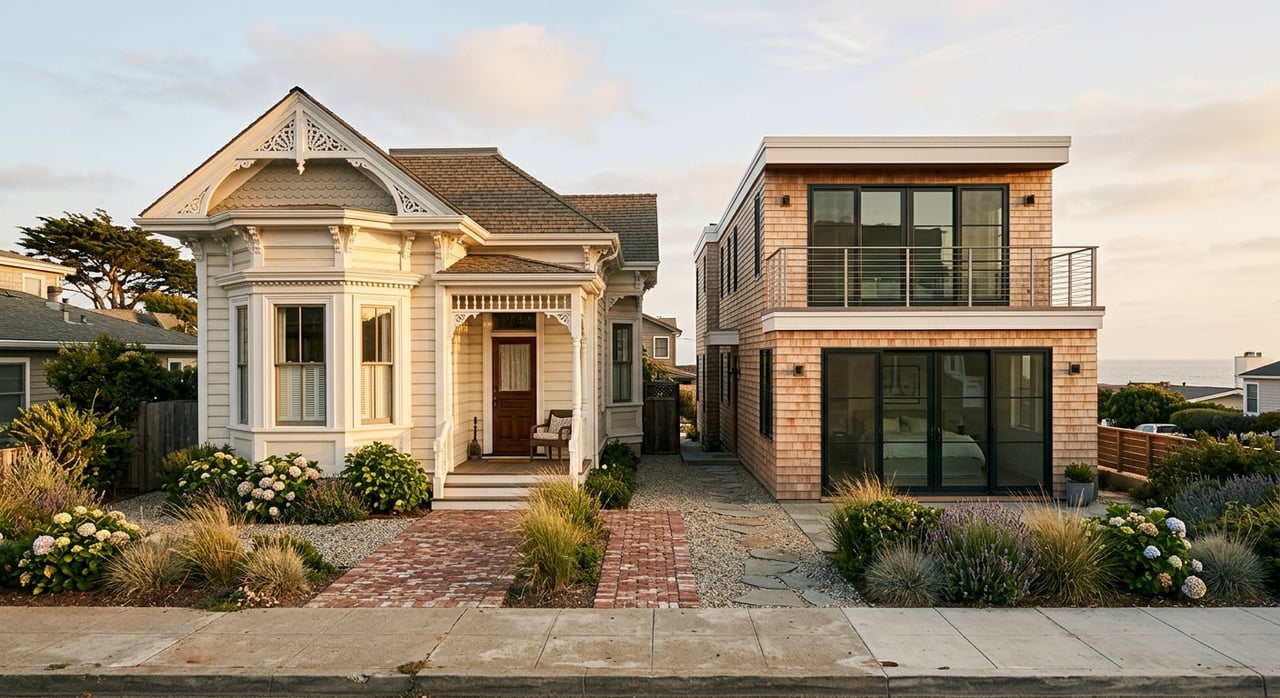
Cape May is also shaped by historic preservation. The city describes its housing stock as aging and preservation-heavy, and notes that the entire city is designated as a National Historic Landmark District. That makes property review more nuanced, especially if you are considering renovations or long-term improvements.
In many shore markets, buyers focus first on address and assume the rest can be fixed later. In Cape May, that can be an expensive mistake. Because new construction is limited and much of the stock is older, condition often has a direct impact on both immediate costs and long-term ownership.
If you are buying a second home, think beyond staging and summer photos. Look closely at the home’s systems, upkeep, and how well the property has been maintained over time. A beautiful home with hidden issues can quickly change the economics of your purchase, while a well-located home with solid fundamentals may offer stronger long-term value even if it needs cosmetic work.
Cape May County’s tourism economy adds another layer to the market. The county’s 2024 tourism impact book reported $7.714 billion in direct tourism spending in 2023, 11.6 million visitors, and an estimated summer population of 763,940 across the county. The city housing plan also cites a Cape May City summer population estimate of 46,324.
That seasonal surge helps explain why Cape May can feel especially active at certain times of year. The same county report found that 81.82% of surveyed visitors took their Cape May County vacation in summer, and 54.64% identified Cape May as a destination. For buyers, that supports a practical pattern: spring and early summer often bring more attention, more showing activity, and more competition.
If you plan to buy a second home in Cape May, timing matters. Shopping during a high-traffic season may give you more energy in the market and better insight into how a home fits your lifestyle goals. It can also mean more competition and less room for hesitation.
Shopping outside peak season may feel calmer, but selection can still be thin. Because supply is limited overall, there is no guarantee that waiting will produce more options. A smart strategy is to watch the market consistently and be ready when the right property appears, rather than assuming the perfect timing window will announce itself.
Many second-home buyers want the option to offset carrying costs through rentals. If that is part of your plan, local rules should be part of your due diligence before you buy. In Cape May, that is not something to leave for later.
The city code requires all rental properties and rental units to be licensed and inspected annually. It defines a seasonal or short-term rental as a lease shorter than 175 consecutive days, requires registration before a unit is offered for rent, and provides fines for unlicensed leasing. If rental income is part of your ownership strategy, you need to understand those requirements upfront and make sure the property fits your intended use.
Cape May rewards a thoughtful buying approach. Instead of chasing broad market headlines, focus on the details that affect ownership most.
Here are a few priorities worth keeping in mind:
In Cape May, value is not always about buying the cheapest home on the block or stretching for the highest-end finish package. It is about understanding what you are really paying for. That may include location, architectural character, updated systems, lower near-term maintenance, or better alignment with your intended use.
This is where practical property judgment becomes especially important. In an older, seasonal, premium market, the best buy is often the home that balances condition, location, and future livability, not simply the one with the flashiest presentation.
For second-home buyers, the clearest way to think about Cape May is this: it is a seasonal, older-stock, limited-supply market where broad averages only go so far. Timing matters. Condition matters. And the difference between a smart purchase and a stressful one often comes down to how carefully you evaluate the property behind the listing photos.
If you want calm, informed guidance as you weigh your options in Cape May, Marialena Recupero can help you look past surface appeal and focus on the details that support a confident decision.
Stay up to date on the latest real estate trends.
Guiding you through every step of the homebuying journey with honesty, insight, and decades of real-world experience. From first showing to final closing, Lena ensures you feel confident, informed, and supported in every decision you make.
Marialena Rossi, Salesperson
1001 Lafayette St Cape May NJ 08204