Stone Harbor NJ Architecture and Beach Home Design
May 28, 2026
May 28, 2026
Looking at a Stone Harbor beach home and wondering what really matters beyond the view? In this market, architecture is not just about style. It shapes how a home lives, how it holds up near the water, and how well it fits the borough’s coastal character. If you are buying, selling, or updating a property here, understanding the local design language can help you make sharper decisions. Let’s dive in.
Stone Harbor’s identity is closely tied to its setting on a barrier island. According to the borough’s master plan, the Atlantic Ocean, bays, and tidal wetlands shape both the town’s character and its economy.
That setting affects what buyers see on the streetscape today. The master plan notes that many older homes have been replaced by larger modern houses, while local zoning still aims to preserve neighborhood character through a two-story maximum, strict height limits, and support for architectural diversity.
For you as a buyer or seller, that means design is never just personal taste in Stone Harbor. It also sits within a local framework that values scale, rooflines, and the overall feel of the streetscape.
Stone Harbor has a layered architectural story. Some homes reflect early shore-cottage traditions, while others reinterpret those ideas in a more current way.
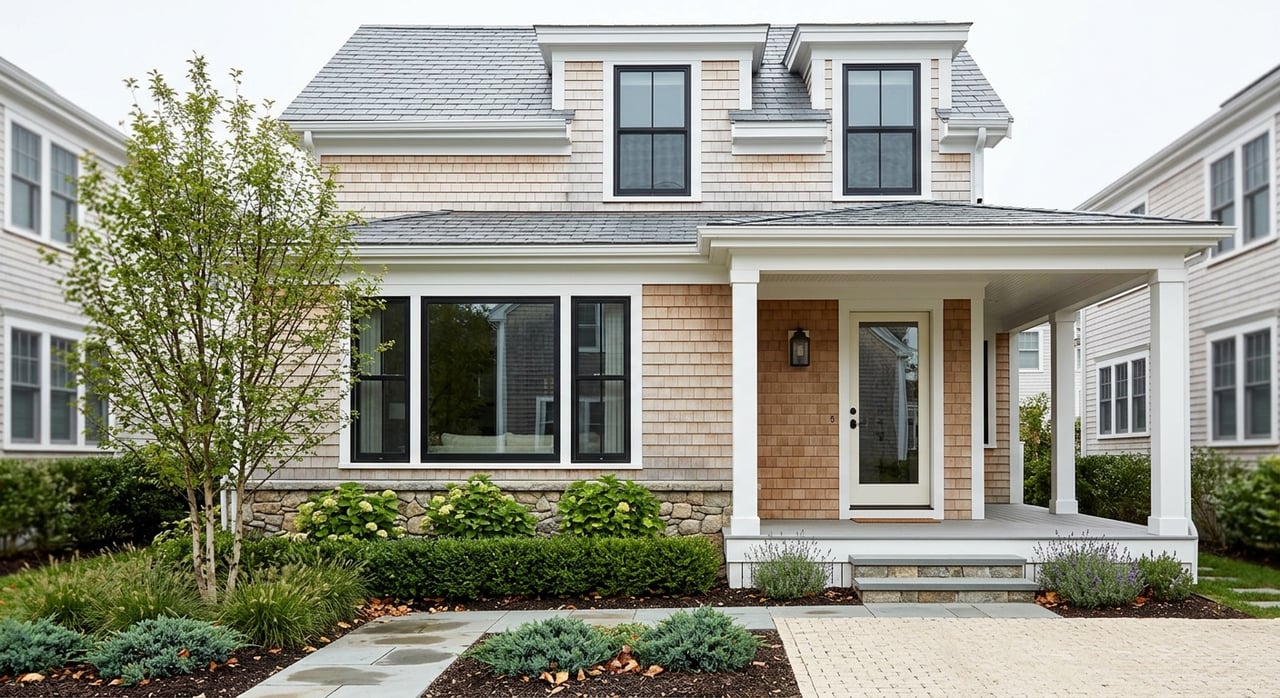
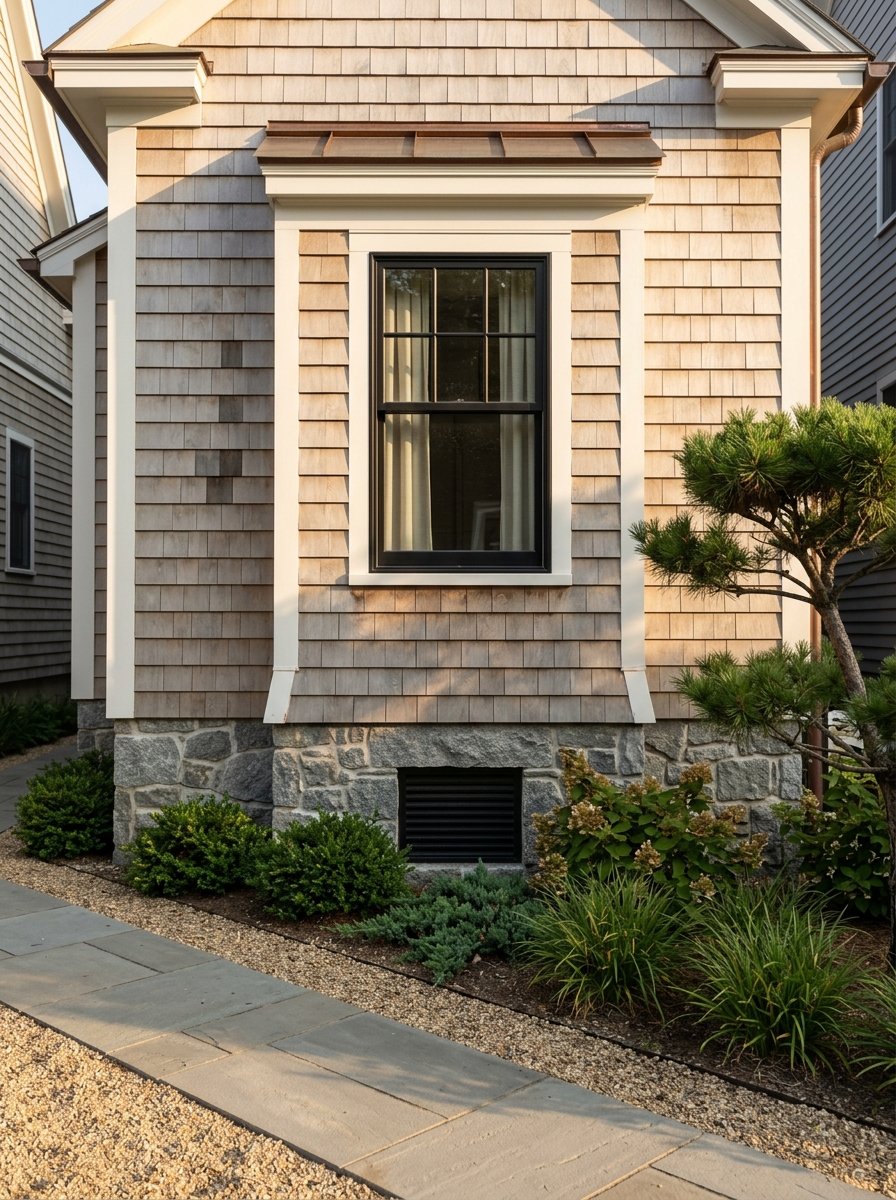
These homes tend to be the most character-driven. Shingle Style is known for continuous wood shingles across roofs and walls, minimal ornament, irregular massing, and features like wide porches and gambrel roofs.
Local history helps bring that style into focus. Stone Harbor Museum coverage highlights early homes such as a Colonial Revival shingle-style cottage, and local examples have included wraparound porches and turrets that still help define the borough’s classic resort feel.
If you are shopping this category, you are often looking at homes with charm, traditional proportions, and a strong connection to Stone Harbor’s earlier identity. Those details can carry real appeal, but they may also come with more upkeep.
Stone Harbor’s bungalow history is an important part of the local housing story. The borough’s Bungalow Colony began in 1914 with small, modest cottages on narrow courts, originally around 12 by 24 feet.
Over time, many were expanded with second stories, porches, decks, and winterization. That evolution matters because it shows how compact shore homes here often changed to meet year-round or longer-stay needs.
The Rufwud Cottage is a strong local Craftsman example, with features like a screened front porch, enclosed side porch, tapered roof, slanted side walls, and wraparound windows. For buyers, this style often signals an efficient footprint, porch-centered living, and more detailed craftsmanship in a smaller form.
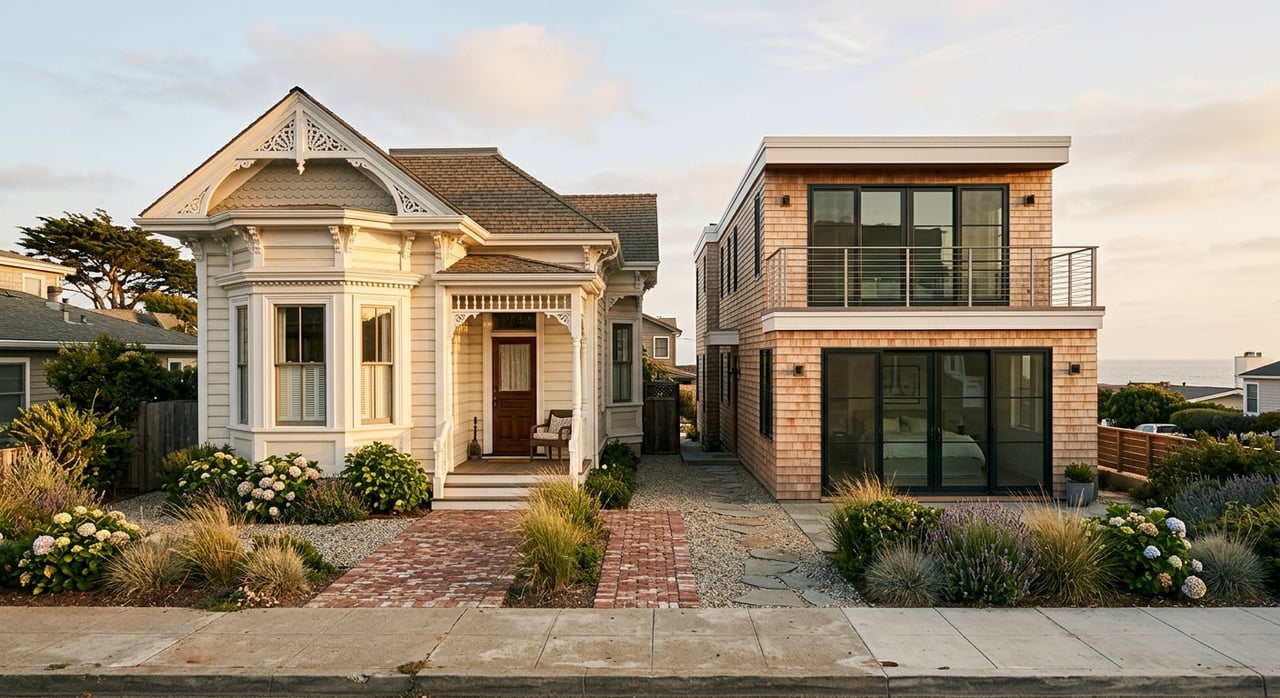
Newer Stone Harbor homes often blend traditional cues with cleaner, updated design. A 2019 profile of a local new build described a house that mixed a traditional Eastern Seaboard feel with a more clean-lined West Coast aesthetic.
That balance is useful to understand. Many newer homes are designed to feel fresh and open, while still nodding to older local forms through scale, detailing, or roof design.
If you are considering newer construction, pay attention to how well the house balances openness with context. The most successful homes in Stone Harbor tend to feel current without looking disconnected from the town around them.
In Stone Harbor, the details that shape daily living are often the same ones that shape long-term value. Outdoor rooms, efficient layouts, and thoughtful rooflines are not small cosmetic choices here.
Porches and decks are deeply rooted in Stone Harbor’s design vocabulary. The Edson Cottage, for example, included a screened front entrance, striped awnings, a screened rear porch, and a large waterside deck.
These features still matter because they support the way many people want to use a shore home. Screened rooms, covered porches, and decks can make outdoor living easier and help create better flow between inside and outside spaces.
When you tour a property, ask yourself how the outdoor areas actually function. A beautiful exterior means more when the spaces are usable, connected, and comfortable for real day-to-day living.
Stone Harbor’s historic cottages were often compact, with small but fully furnished rooms that were designed to work hard. That legacy still shows up in how many buyers think about shore living today.
A home does not need to feel sprawling to feel valuable. In many cases, a well-planned layout with strong circulation and useful gathering spaces can live better than a larger home with awkward flow.
This is especially important if you are comparing an older cottage to a newer house. One may offer charm and efficiency, while the other may offer openness and flexibility. The better choice depends on how you plan to use the property.
Stone Harbor’s master plan makes clear that rooflines matter. The borough wanted to avoid boxy houses and viewed well-designed floor-area ratios as a way to create more unique roof forms.
That is one reason features like dormers, porches, and second-floor setbacks can matter more than you might expect. They affect curb appeal, the visual relationship to neighboring homes, and often the overall impression of quality.
For sellers, these details can influence how well your property presents in a market where buyers notice design quickly. For buyers, they are worth studying because they often signal how thoughtfully the home was conceived.
A Stone Harbor beach home should look good, but it also needs to perform. Near the coast, materials and construction choices can have a direct impact on maintenance, longevity, and ownership costs.
FEMA’s coastal construction guidance notes that homes near the ocean face salt spray and moisture exposure. It also states that metal fasteners can corrode quickly near the coast and recommends stainless steel within about 3,000 feet of the ocean.
That practical reality matters when you evaluate exterior details. Wood shingles, railings, soffits, decks, and exposed hardware may look exactly right for the setting, but they should also be assessed for corrosion resistance and ongoing upkeep.
From a resale standpoint, condition matters just as much as appearance. A home that reflects thoughtful material choices often feels more reassuring to buyers than one with beautiful finishes but visible wear from the coastal environment.
In Stone Harbor, flood resilience is not optional background information. It is part of the design and compliance picture for many properties.
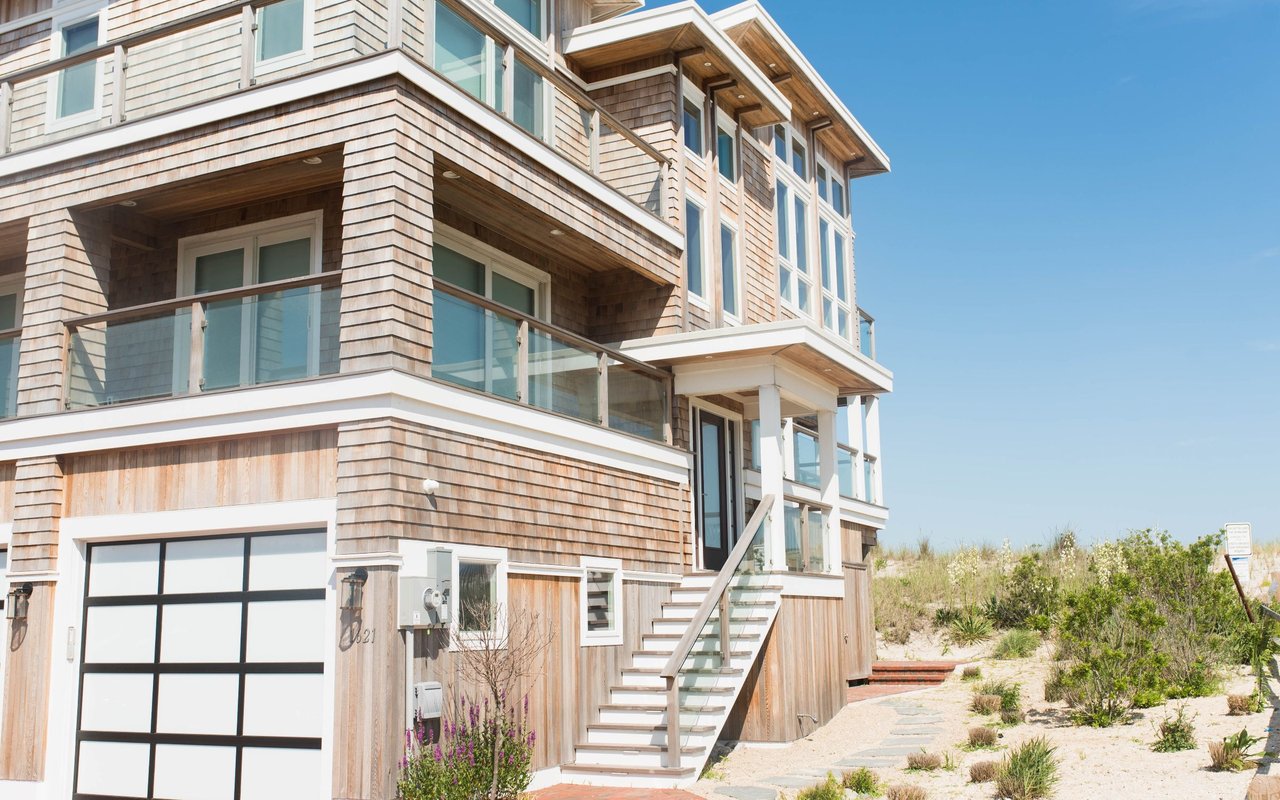
The borough’s flood ordinance is based on FEMA maps and additional freeboard requirements. In coastal high-hazard zones, new or substantially improved homes must be elevated on pilings or columns, with the lowest horizontal structural member above the Local Design Flood Elevation.
Elevation certificates are also part of the compliance process. For you, that means the way a house sits on the site is not just visual. It can reflect local flood rules that shape entry sequences, parking areas, stairs, storage configurations, and the overall feel of the home.
If you are comparing properties, this is one area where surface impressions can be misleading. A well-designed elevated home may handle site constraints more gracefully, while a less thoughtful design may feel awkward even if it looks polished at first glance.
Stone Harbor’s master plan supports sensitive additions that retain the integrity of historic structures. That is a helpful principle whether you are buying an older cottage to update or preparing a longtime family property for sale.
The goal is not to freeze a house in time. It is to improve function without erasing the scale, character, or design logic that made the home appealing in the first place.
That matters in a market where some buyers want original charm and others want modern convenience. The strongest renovations usually do both, improving livability while preserving the home’s connection to Stone Harbor’s architectural story.
When you read listings in Stone Harbor, the architectural language often gives useful clues about what you may be walking into.
These homes often suggest:
These homes often suggest:
These homes often suggest:
If you want to make a smart decision in Stone Harbor, try to look at architecture and design through both a lifestyle lens and a property-performance lens.
Ask yourself:
These are the kinds of questions that help you look beyond staging and into long-term livability. In a market like Stone Harbor, that perspective can make the difference between a home that only photographs well and one that truly works.
If you are buying or selling a beach home in Stone Harbor, careful property judgment matters. Working with an advisor who understands design, construction, and long-term value can help you see the full picture. To start the conversation, connect with Marialena Recupero.
Stay up to date on the latest real estate trends.
Guiding you through every step of the homebuying journey with honesty, insight, and decades of real-world experience. From first showing to final closing, Lena ensures you feel confident, informed, and supported in every decision you make.
Marialena Rossi, Salesperson
1001 Lafayette St Cape May NJ 08204