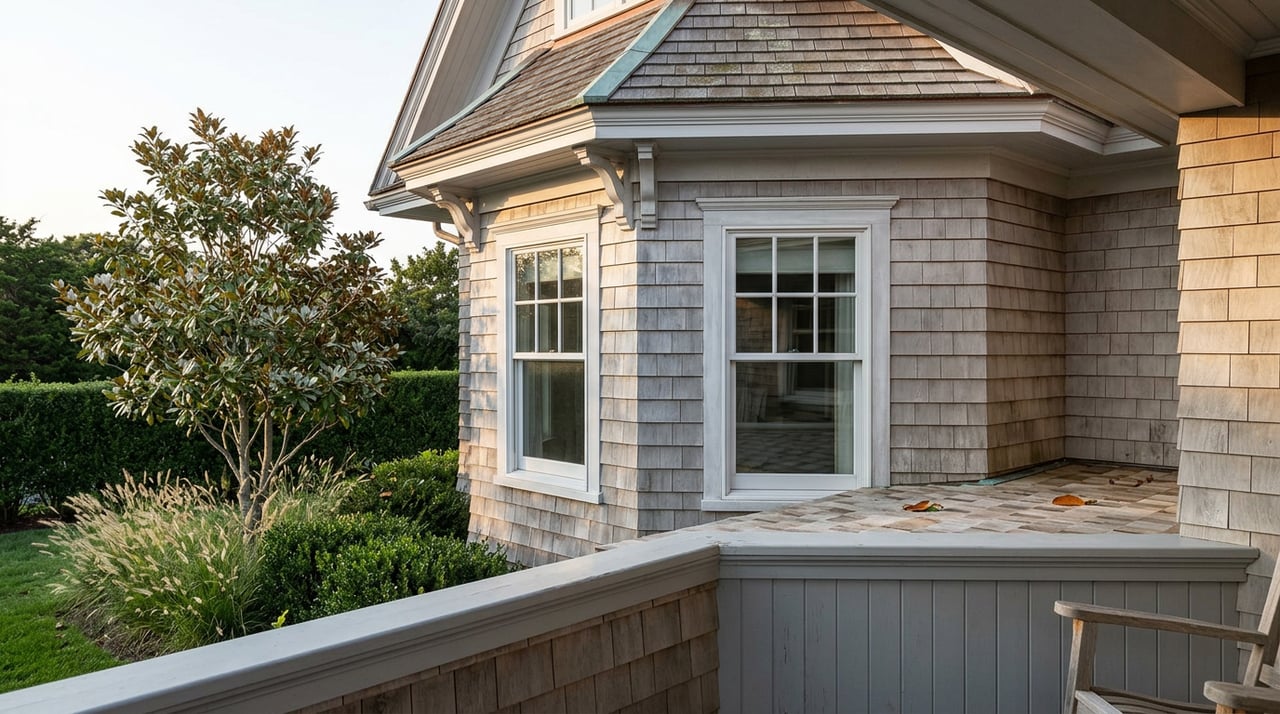
Cape May Historic District Renovation Approval: A Two-Board Guide
September 17, 2026
September 17, 2026
On February 9, 2026, a homeowner brought a straightforward wish list to Cape May's Historic Preservation Commission: remove some windows that had been added to an enclosed porch at 1015 Beach Avenue, take down a sunroom the city doesn't consider historically significant, add a pool, and rework the parking. None of it sounded unusual for a shore property being brought into the present.
According to the Cape May Historic Preservation Commission's February 9, 2026 minutes, the commission's answer was conceptual approval only. Not because the pool or the sunroom demolition were controversial on their own, but because the applicant still had to go before the Zoning Board of Adjustment for a variance before anything could move forward. One commissioner asked when the porch had actually been enclosed, since it might have picked up historic value of its own during the district's period of significance. Another suggested the applicant look at reworking the garage and shrinking the pool and parking footprint to find a path that wouldn't require a full second round. The file didn't close that night. It moved to a different board.
That's the part of Cape May's historic district that doesn't show up on a listing sheet or in most buyer conversations. The city's Historic Preservation Commission gets the attention because it's the body most people have heard of. But it is not the only gate, and it is not always the last one.
The Historic Preservation Commission is a real regulatory body, not an advisory committee with a soft touch. The City of Cape May says the commission's decisions are binding and enforceable on both the applicant and the city's own construction officials. The commission exists specifically to review construction, repairs, alterations, and demolition inside Cape May's Historic District.
What the 1015 Beach Avenue file shows is that HPC approval and zoning approval don't always run on separate tracks that a buyer can plan around independently.
The same pattern showed up at 720 Washington Street that same month. The Bray Family Partnership brought a plan for 47 additional parking spaces on the front lawn, presented by the property's architect and engineer for conceptual approval. It's a second, independent example of a Cape May project sitting at the conceptual stage while a separate approval works itself out, not a one-off complication specific to a single address.
For a buyer, the practical takeaway isn't that historic district renovations are impossible. It's that a project touching both preservation standards and zoning dimensions needs careful planning before closing.
Not every project in the historic district moves at the same pace, and knowing which speed a renovation falls into changes how a buyer should budget time before closing.
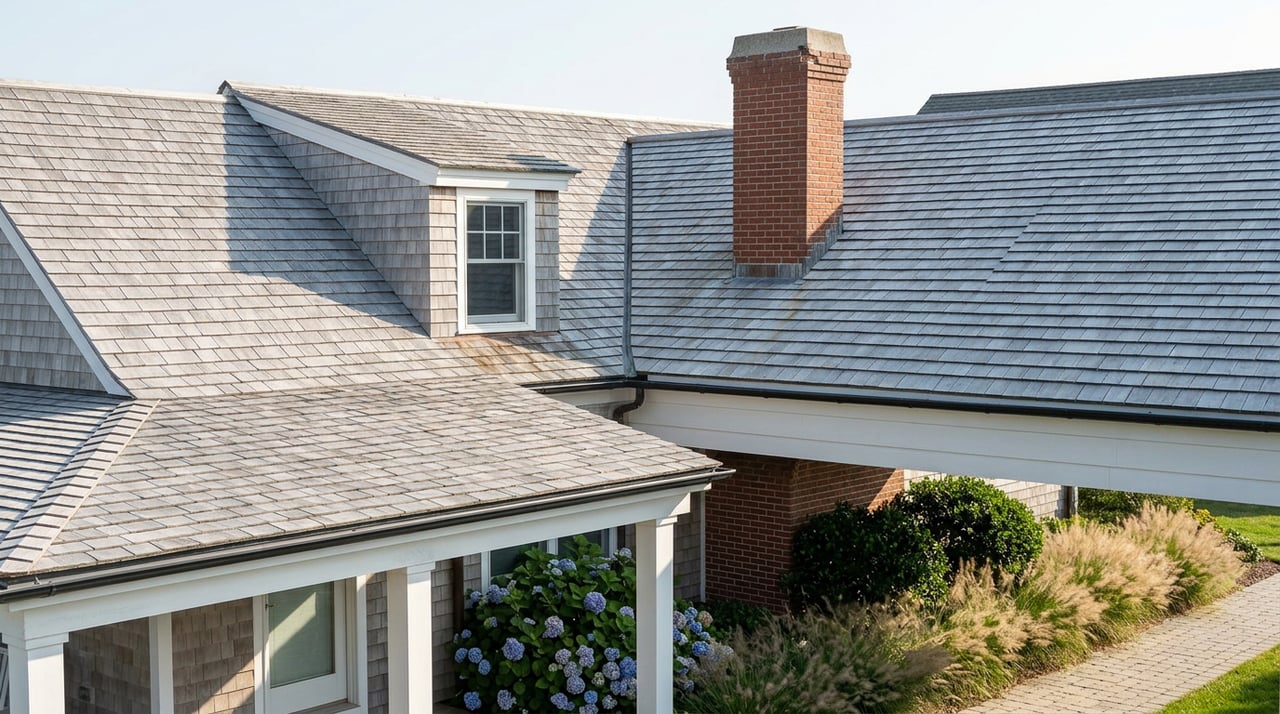
The fastest lane is what the city's Historic Preservation Commission FAQs call same for same: replacing a deteriorated material with the identical material, like swapping a worn cedar shingle roof for another cedar shingle roof. The city's own construction official can approve this without a hearing at all.
The middle lane is Approval in Review, handled by a sub-committee of the commission rather than the full board.
The slowest lane is a full commission hearing. The Cape May code provides that the commission has seven regular members and two alternates, at least one of whom is required to have professional grounding in building design, construction, or architectural history.
It's worth being clear that a full hearing isn't a formality. The same February 2026 meeting that produced the 1015 Beach Avenue conceptual approval also included a panel application the commission rejected outright, finding that the proposed panels didn't meet the standard of being minimally visible and that the installation was incompatible with the historic district. The vote failed six to nothing, with no members in favor and none abstaining.
That result matters for anyone assuming a complete application guarantees approval. The city's design standards cover windows, roofs, doors, porches, fences, siding, and streetscapes, each with its own section of guidance, and a project that looks reasonable on paper can still fail if it doesn't read as minimally visible or compatible with the surrounding district.
None of this should scare a buyer away from a Cape May property they've fallen for. It should change what gets checked before the offer goes in, not after.
That last point is easy to miss and worth sitting with. A lot of what makes a historic Cape May home feel dated rather than distinctive can be solved without ever filing an HPC application. The friction shows up at the property line and the roofline, not inside the walls.
Does the commission review what I do inside the house? No. The commission's authority stops at the exterior. Interior layout, fixtures, kitchens, and bathrooms are not part of its review.
Can I paint the house whatever color I want? Generally yes. The commission has stated it does not rule on exterior color combinations, given how many architectural periods are represented across the district.
What if I disagree with a commission decision? The appeal guide says the decision can be appealed to the Zoning Board of Adjustment, and from there to the courts, following the same path any other land use decision in the city would take.
Buying inside Cape May's historic district means buying into a genuine piece of the city's identity, not just a floor plan. The commission exists to protect that, and its process rewards buyers who understand the mechanics before they own the outcome. Reviewing the property's designation, checking for open applications, and mapping out whether a renovation touches zoning as well as preservation standards turns a potential six-month surprise into a plan you set from day one.
If you're weighing a historic Cape May property and want a second set of eyes on what a renovation would actually require, from the construction side as much as the real estate side, Marialena Recupero built her practice around exactly that kind of groundwork. Let's Connect before you write the offer, not after.
This article is general information, not legal, tax or financial advice. Consult a qualified professional about your situation.
Stay up to date on the latest real estate trends.


Guiding you through every step of the homebuying journey with honesty, insight, and decades of real-world experience. From first showing to final closing, Lena ensures you feel confident, informed, and supported in every decision you make.
Marialena Rossi, Salesperson
1001 Lafayette St Cape May NJ 08204