
Selling A Stone Harbor Vacation Home With Confidence
June 11, 2026
June 11, 2026
Selling a vacation home in Stone Harbor can feel simple from the outside. In reality, it often involves timing the market, preparing for coastal buyer scrutiny, organizing detailed disclosures, and managing logistics if you are not local. If you want a smoother sale with fewer surprises, preparation matters. Let’s dive in.
Stone Harbor is a high-value coastal market, but it is not a market you should treat casually. Public snapshots from spring 2026 show strong pricing, with Redfin reporting a median sale price of $3.098 million in April and Zillow showing a median list price of $3.274 million as of April 30, 2026.
At the same time, market pace and leverage can vary by source and timing. Redfin reported a median 107 days on market in April 2026, while Realtor.com described Stone Harbor as a buyer’s market in March 2026 with homes selling 3.96% below asking. That means confidence comes less from chasing headlines and more from pricing, timing, and property preparation.
This is also a market where carrying costs are meaningful. Stone Harbor’s 2024 average residential assessment was $1,649,671, and the average residential tax bill was $12,340, compared with a Cape May County average bill of $6,273. For many owners, that adds urgency to making smart decisions when it is time to sell.
If you are selling a vacation home, late winter through early summer is often the most practical listing window. Stone Harbor’s official seasonal calendar ramps up in late spring, with paid parking beginning May 1, beach tags required from Memorial Day weekend through Labor Day, and summer events starting in late May.
That seasonal rhythm matters because buyers often start focusing more seriously on shore plans before peak summer arrives. Listing before the busiest part of the season can give your home exposure while town services, visitor activity, and general momentum are building.
That does not mean every seller should list on the same timetable. The right launch still depends on your property’s condition, your documentation, your pricing strategy, and whether you need time for repairs, cleanup, or coordination from afar.
In Stone Harbor, buyers tend to look past surface beauty quickly. They are often paying a premium, so they want confidence in how the home has been maintained and how it handles coastal conditions.
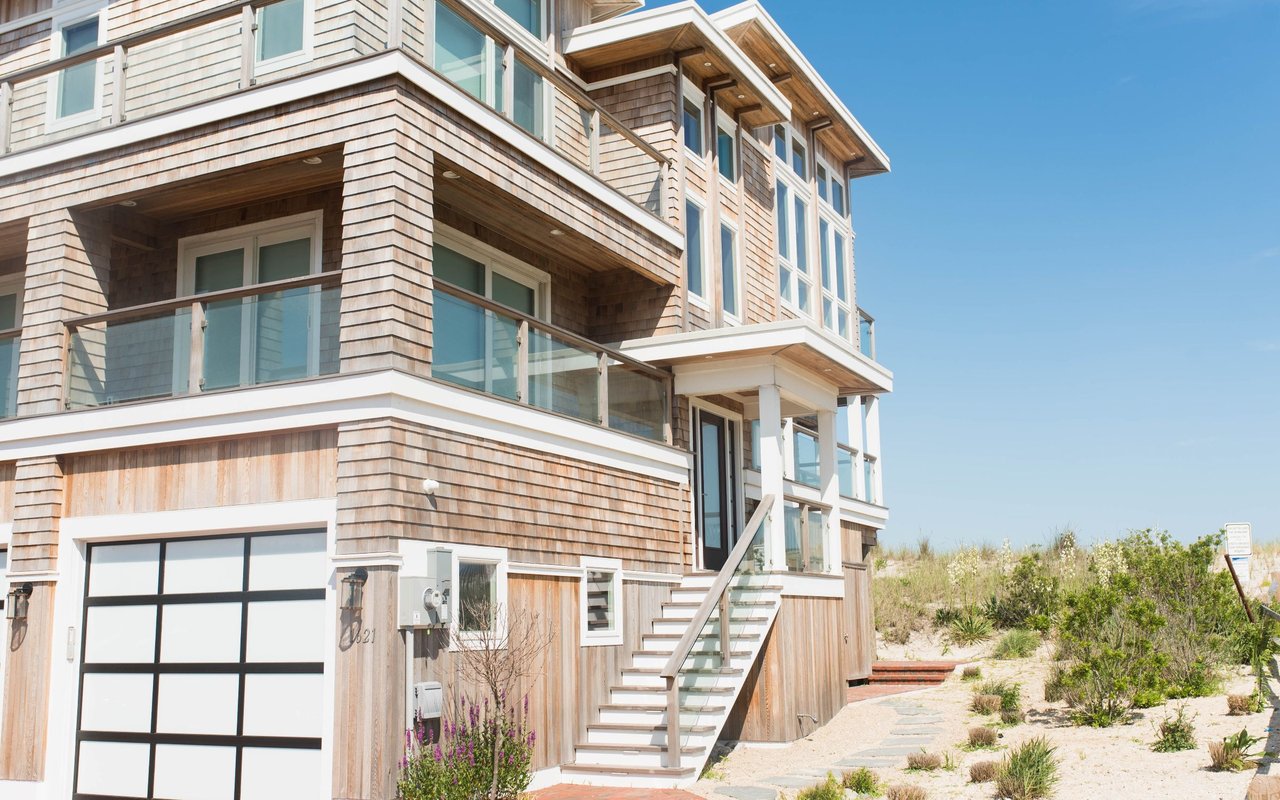
FEMA notes that salt spray and onshore winds can significantly speed up corrosion of metal fasteners and connectors in coastal areas. In practical terms, that means buyers may pay closer attention to railings, decks, exterior hardware, HVAC equipment, and other exposed components than they would at an inland property.
This is one reason a thoughtful prep plan matters. Fresh styling can help presentation, but it rarely replaces proof of maintenance, water management, drainage awareness, and repair history.
Before listing, it helps to review the parts of the home that often raise buyer questions at the shore:
When a property shows well and the records support its condition, buyers usually feel more comfortable moving forward.
One of the biggest surprises for sellers is how important complete disclosures are in New Jersey. Since March 20, 2024, every New Jersey seller must disclose specific flood-risk information before the buyer becomes obligated.
According to New Jersey Consumer Affairs instructions, questions 1 through 108 on the residential disclosure are mandatory for sellers of residential real property, and Flood Risk Addendum questions 109 through 117 are mandatory for all sellers of real property. Sellers must disclose whether the property is in FEMA’s Special Flood Hazard Area or Moderate Flood Hazard Area, along with any actual knowledge of flood risks.
The state disclosure form also asks about issues that are especially relevant in shore markets. These include water leakage, dampness, mold, wetlands, encroachments, easements, riparian claims, and shared or common areas or maintenance agreements.
The disclosure instructions make clear that you, as the seller, are the source of the information on the form. The form is not a substitute for buyer inspections, but it is still a major part of building trust and reducing avoidable problems.
For a Stone Harbor vacation home, it is wise to gather records before you list, including:
If your home was built before 1978, lead-based paint disclosure rules also apply to most such housing. In that case, buyers must receive known lead information before the sale.
In Stone Harbor, transfer fees deserve early attention because sale prices often fall into luxury ranges. New Jersey imposes the Realty Transfer Fee on the seller, and deeds over $1 million also trigger a separate graduated percent fee that is seller-paid.
Under the official state schedule, that graduated fee starts at 1% on the portion over $1 million and rises to 3.5% above $3.5 million. The research examples are a helpful reminder of scale: the graduated fee alone is about $32,500 on a $3 million sale and about $47,500 on a $3.5 million sale, before the standard Realty Transfer Fee and any exemptions.
For many owners, this is one of the most important net-sheet conversations to have before going live. A strong pricing strategy is not just about the top-line number. It is about understanding what you are likely to keep after seller-paid costs.
Many Stone Harbor owners do not live in town full time. If that is your situation, confidence comes from creating a local system before your listing hits the market.
Cape May County’s clerk provides online land records dating back to January 1996 and also offers a free Property Alert Service that emails an owner when a document with that name is recorded. For absentee sellers, those tools can help during listing, closing, and post-closing monitoring.
Stone Harbor also publishes a Property Checks form for emergency contacts, requires contact lists for homes with burglar, fire, or other alarms, and lists direct contacts for construction, zoning, tax, utilities, and public works. That kind of local structure is useful when you need quick answers or access coordination.
A vacation-home sale often runs smoother when someone local can handle the details. That may include managing access, checking condition after weather, meeting vendors, and helping answer municipal questions quickly.
This matters even more during the busy season. Stone Harbor’s paid parking season runs from May 1 through October 1, and the borough’s 2026 summer trash and recycling schedule runs from May 17 through September 12 with zone-based pickup days. If repairs, curbside cleanup, or staging activity need to happen during that time, having a local point person can reduce friction.
If you want to sell your Stone Harbor vacation home with more confidence, start here:
A calm, well-documented process usually creates better outcomes than rushing to market.
A Stone Harbor shore home is not just another listing. It is a high-value, coastal property where construction quality, maintenance history, flood awareness, documentation, and timing can shape the entire transaction.
That is why practical property judgment matters. When you work with an advisor who understands how homes are built, how coastal wear shows up, and how to coordinate with attorneys and other professionals, you are better positioned to avoid missed details and move forward with clarity.
If you are thinking about selling your Stone Harbor vacation home, Marialena Recupero offers calm, hands-on guidance rooted in real construction and property experience across Cape May County and the South Jersey Shore.
Stay up to date on the latest real estate trends.


Guiding you through every step of the homebuying journey with honesty, insight, and decades of real-world experience. From first showing to final closing, Lena ensures you feel confident, informed, and supported in every decision you make.
Marialena Rossi, Salesperson
1001 Lafayette St Cape May NJ 08204