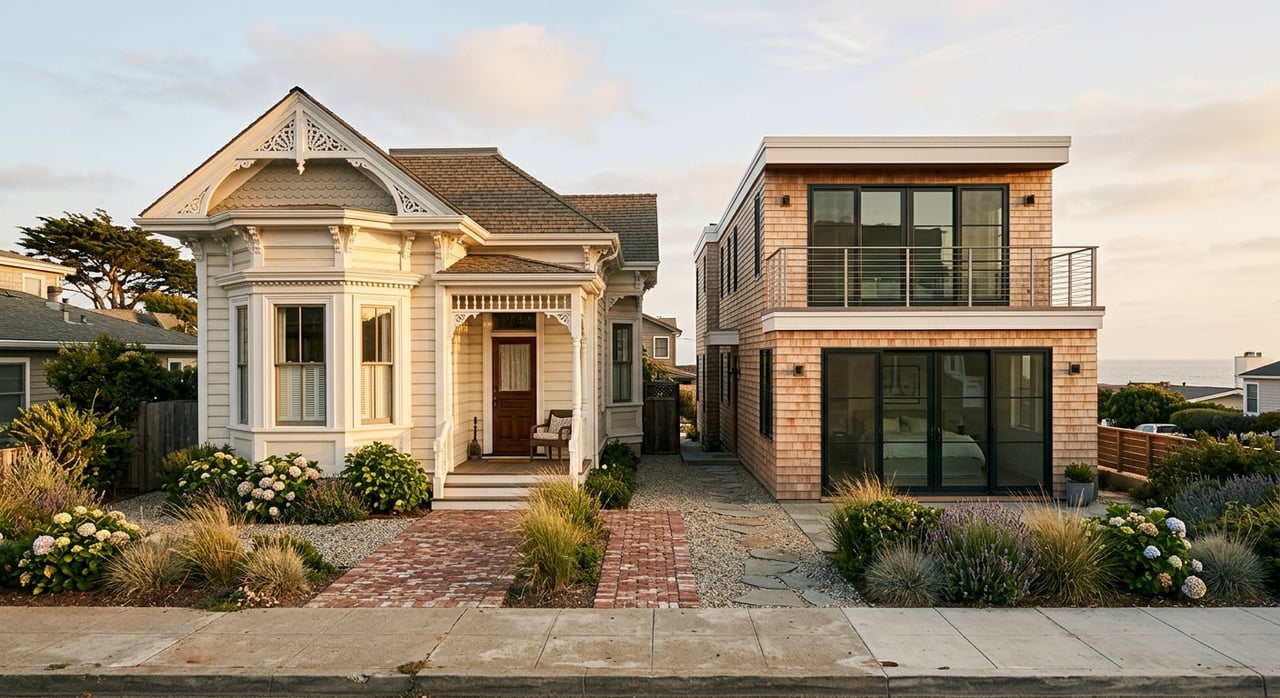
Cape May Living Among Victorian And Modern Homes
June 18, 2026
June 18, 2026
If you picture Cape May as all gingerbread trim and wraparound porches, you are only seeing part of the story. This is a place where historic Victorian homes and newer, more open layouts exist side by side, and the right fit depends on how you want to live, maintain, and plan for the future. If you are thinking about buying or selling here, understanding those differences can help you make a smarter decision with fewer surprises. Let’s dive in.
Cape May is widely known for its Victorian character, and for good reason. City history notes that resort development began in the 18th century, and after the 1878 fire, much of the city was rebuilt in Queen Anne, Gothic, and American bracketed styles. The city also describes its Historic District as a National Historic Landmark because of its concentration of Victorian buildings.
At the same time, Cape May is not defined by one look alone. City planning materials say there are more than 600 Victorian buildings in use, but they also note that many parts of Cape May are not characterized by Victorian design. That means your home search may include a wider mix of architecture than you expect.
Victorian homes are a major part of Cape May’s identity. In practical terms, these homes often appeal to buyers who value architectural detail, historic character, and a strong sense of place. They can also come with more considerations when it comes to exterior work and long-term upkeep.
According to the National Park Service, Queen Anne homes are often asymmetrical and may include mixed materials, turrets or dormers, stained glass, spindlework, and wraparound porches. These homes also tend to feel less boxy than earlier styles, with room layouts that can feel more open between spaces than you might expect from an older house.
In Cape May, those visual details are part of what gives many streets their distinctive charm. If you are drawn to texture, craftsmanship, and a home that feels one-of-a-kind, Victorian properties may naturally stand out to you.
Character is only one part of the equation. In Cape May, Historic Design Standards apply to all structures within the Historic District and designated zoning-map sites, and the Historic Preservation Commission reviews exterior work and demolition.
That matters because not every project is treated the same way. Properties identified as contributing are held to stricter standards, which can affect how you approach repairs, updates, additions, and exterior changes.
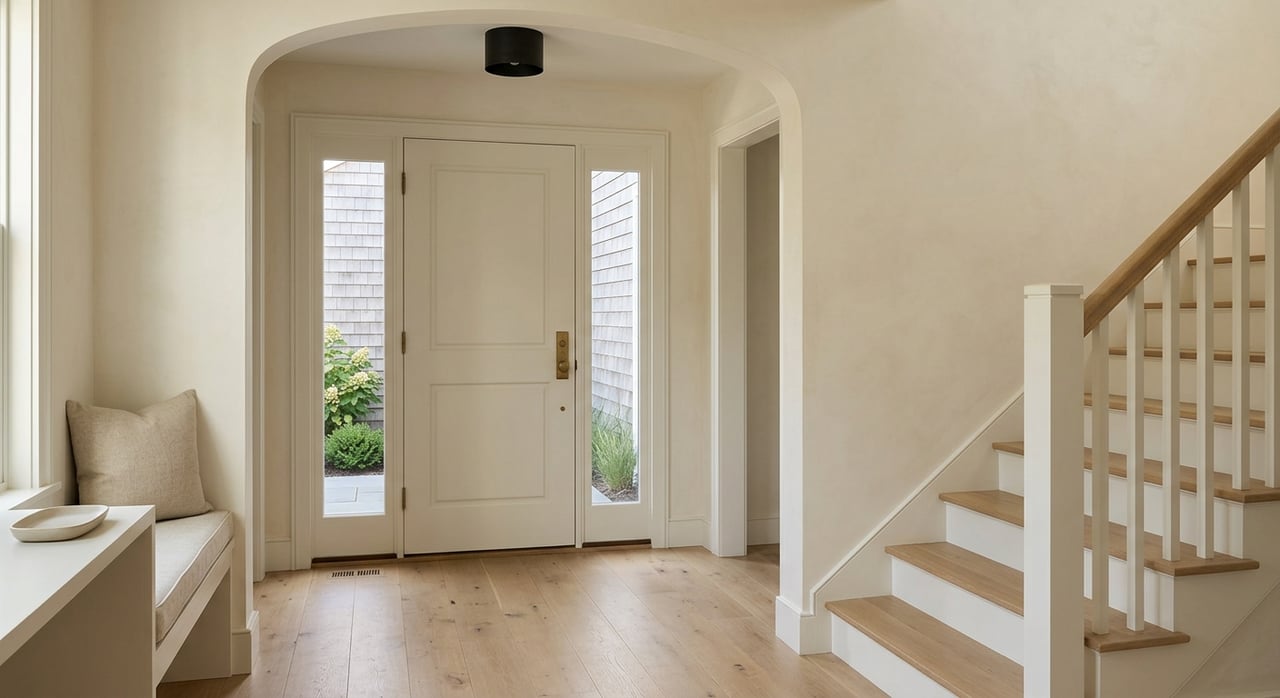
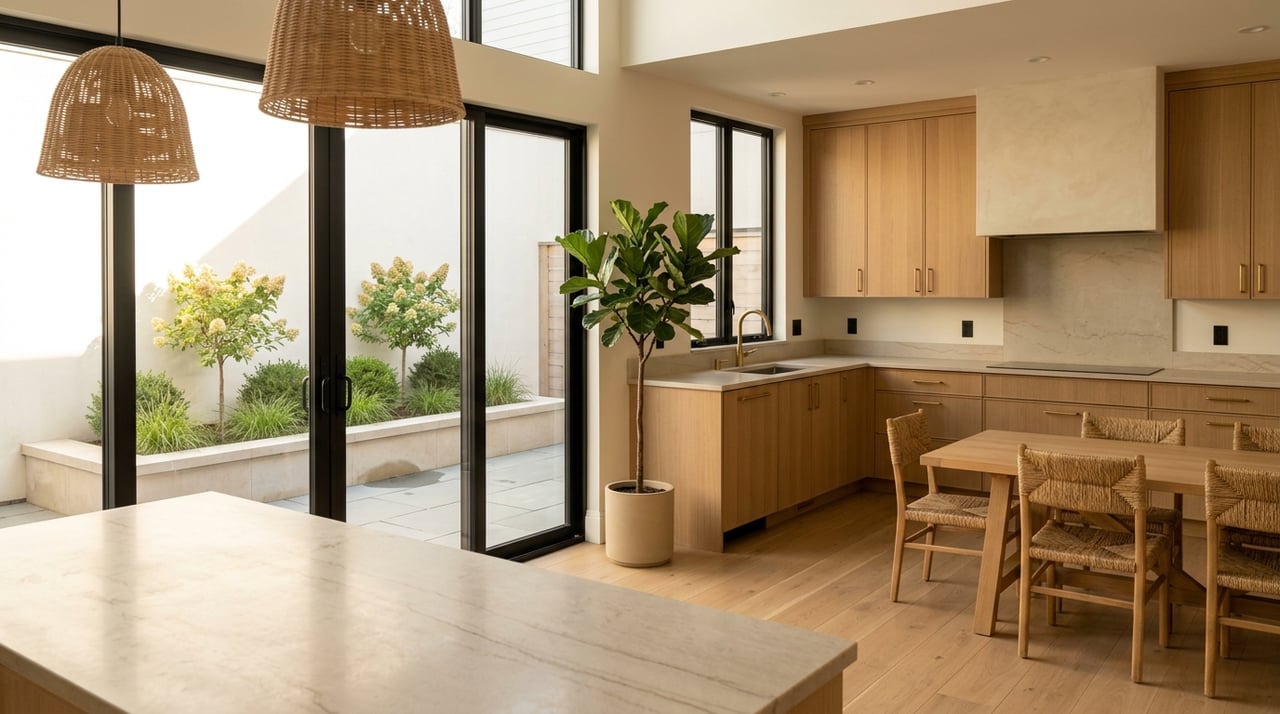
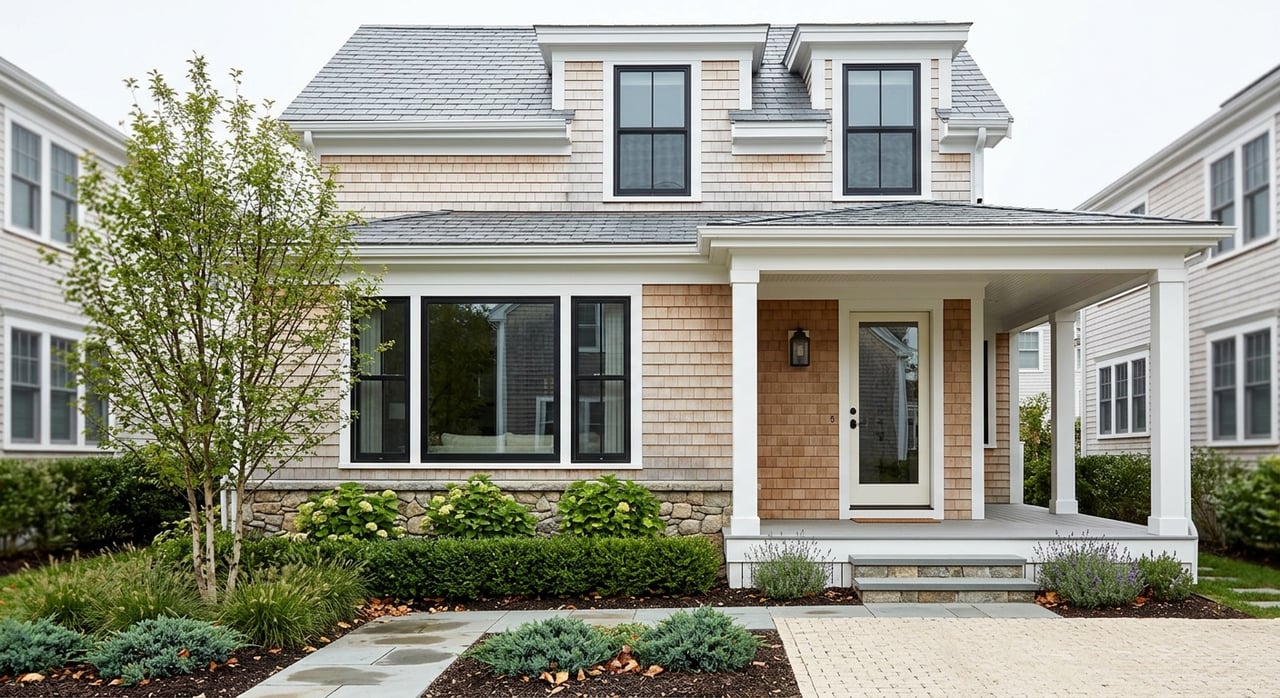
If your priorities lean toward simpler flow and everyday flexibility, a newer home may feel like a better match. Modern residential design is generally associated with more open floor plans, fewer interior walls, and a stronger connection between kitchen, dining, and living areas.
That difference can be noticeable in daily life. A home with a more open layout may feel easier for hosting, easier to adapt over time, and less compartmentalized than a traditional Victorian layout.
National Park Service research on postwar ranch houses describes open plans as large communal areas with free-flowing movement between major living spaces. That more informal arrangement still shapes how many buyers think about comfort and function today.
In Cape May, newer homes often deliver that kind of flexibility. If you want spaces that feel airy, connected, and easier to personalize, newer construction or more modern layouts may check more of your boxes.
A newer look does not mean fewer local considerations. Cape May’s Historic Design Standards include sections for both new construction and flood mitigation, and the Historic Preservation Commission states that new houses, additions, demolition, and solar panels require full commission review.
So even if you are focused on a more modern property, location still matters. A home within the Historic District or on a designated site may involve review standards that affect future changes.
In Cape May, the Victorian-versus-modern question is not only about appearance. It is really about how a property works for your lifestyle, your maintenance preferences, and your comfort with planning around local review and coastal conditions.
A Victorian home may offer visual richness, historic presence, and features that are hard to replicate. A newer home may offer easier flow, more adaptable living areas, and a layout that feels more aligned with current preferences. Neither is automatically better. The better choice is the one that fits the way you want to live and what you are willing to manage.
One of the most important details in Cape May is whether a property is contributing, non-contributing, or outside the Historic District. That distinction can shape what kinds of exterior changes may be reviewed and how involved future projects could become.
This is why two homes with similar appeal on the surface may carry very different ownership paths. Before you fall in love with details alone, it helps to understand the property’s historic context and what that could mean over time.
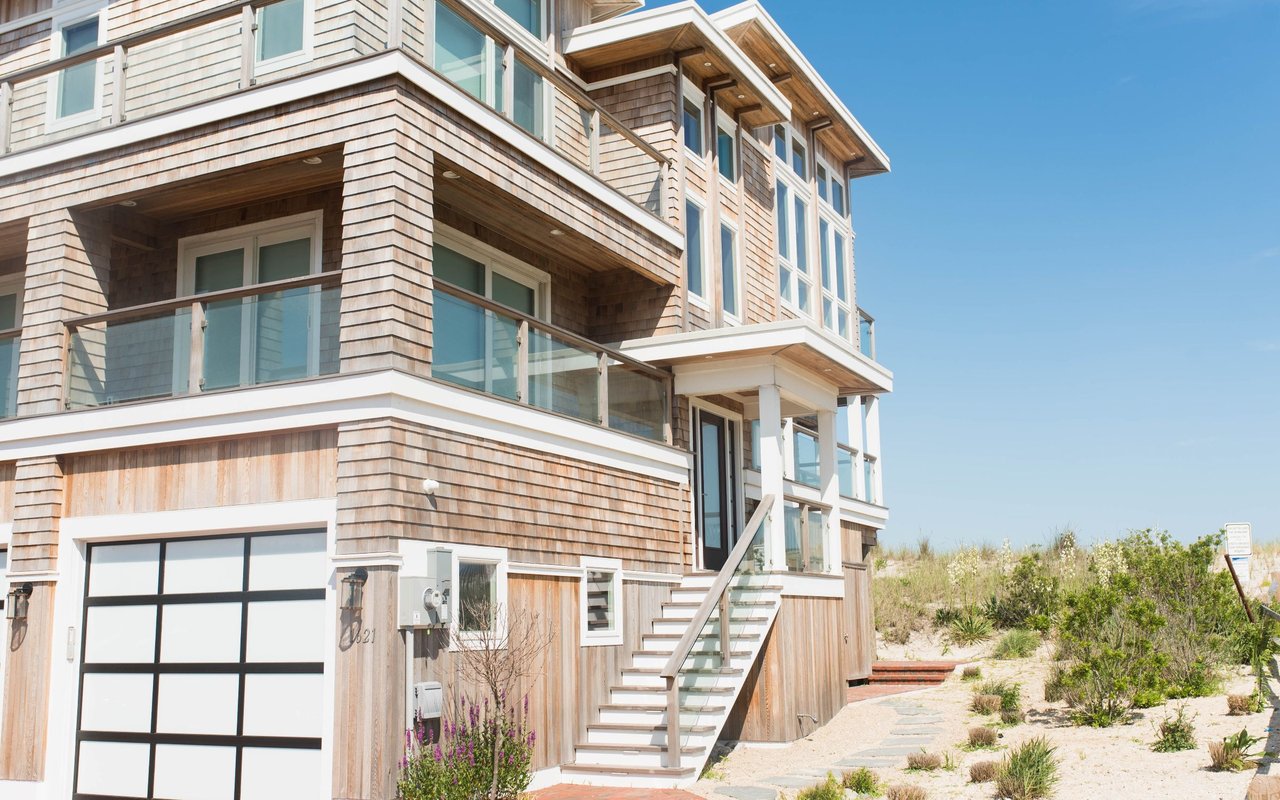
Architecture gets attention, but Cape May’s coastal setting affects ownership just as much. The city’s floodplain office provides flood map information, base-flood-elevation guidance, and help with flood insurance and flood-proofing resources.
The city also notes that most homeowners policies do not cover flood damage. For buyers, that makes flood planning a core part of due diligence, not an afterthought.
Whether you are considering a Victorian home or a more modern one, it helps to ask practical questions early in the process:
These are the kinds of questions that can help you look past appearances and evaluate the home more completely.
Cape May is often associated with summer, but the city describes itself as a year-round resort. While summer is the busiest season, other activities keep the town active outside peak months.
That matters if you are thinking beyond a simple vacation-home image. A home here may serve different purposes over time, from seasonal retreat to longer stays to full-time living, so layout, location, and upkeep needs deserve careful thought.
When you walk through homes in Cape May, it helps to compare more than style alone. A beautiful porch, a dramatic staircase, or a bright open great room can draw you in, but long-term satisfaction usually comes from understanding the full picture.
Look at craftsmanship, how the home functions, how much flexibility it offers, and what future work may involve. In a market like Cape May, practical property judgment can be just as important as taste.
If you want thoughtful guidance as you compare Victorian charm with modern livability in Cape May, Marialena Recupero brings a construction-informed perspective that can help you evaluate not just what a home looks like, but how it truly lives.
Stay up to date on the latest real estate trends.
Guiding you through every step of the homebuying journey with honesty, insight, and decades of real-world experience. From first showing to final closing, Lena ensures you feel confident, informed, and supported in every decision you make.
Marialena Rossi, Salesperson
1001 Lafayette St Cape May NJ 08204