Choosing Between Ocean City Duplexes And Single-Family Homes
May 14, 2026
May 14, 2026
Trying to decide between a duplex and a single-family home in Ocean City? It is a smart question, because the right choice is not only about size or style. In Ocean City, zoning, ownership setup, flood exposure, and long-term flexibility can all shape how a property fits your life and budget. If you want to compare these options with more confidence, this guide will walk you through the practical differences. Let’s dive in.
In Ocean City, a duplex and a single-family home are not just two versions of the same idea. The city treats one-family and two-family dwellings as distinct building types, and zoning often reflects that difference. That means your decision should start with both the house itself and the lot it sits on.
Ocean City’s zoning code includes districts meant to preserve specific housing forms. For example, some districts are focused on one-family homes, while others allow or preserve two-family homes. In practice, that means the same layout you like on one street may not offer the same future options on another.
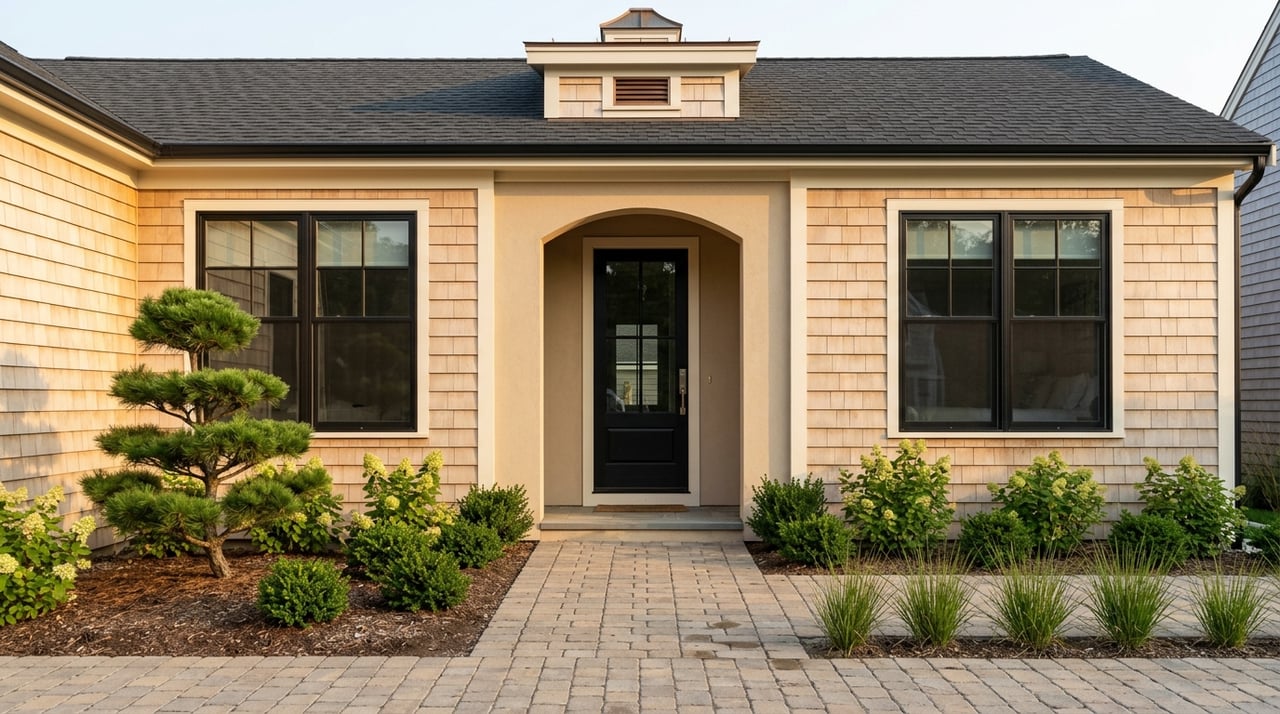
Ocean City defines a one-family dwelling as a detached building with one kitchen and internal stairs. It is designed for one household and usually offers the clearest physical separation from neighboring properties. If privacy and simplicity are high on your list, this setup often appeals to buyers.
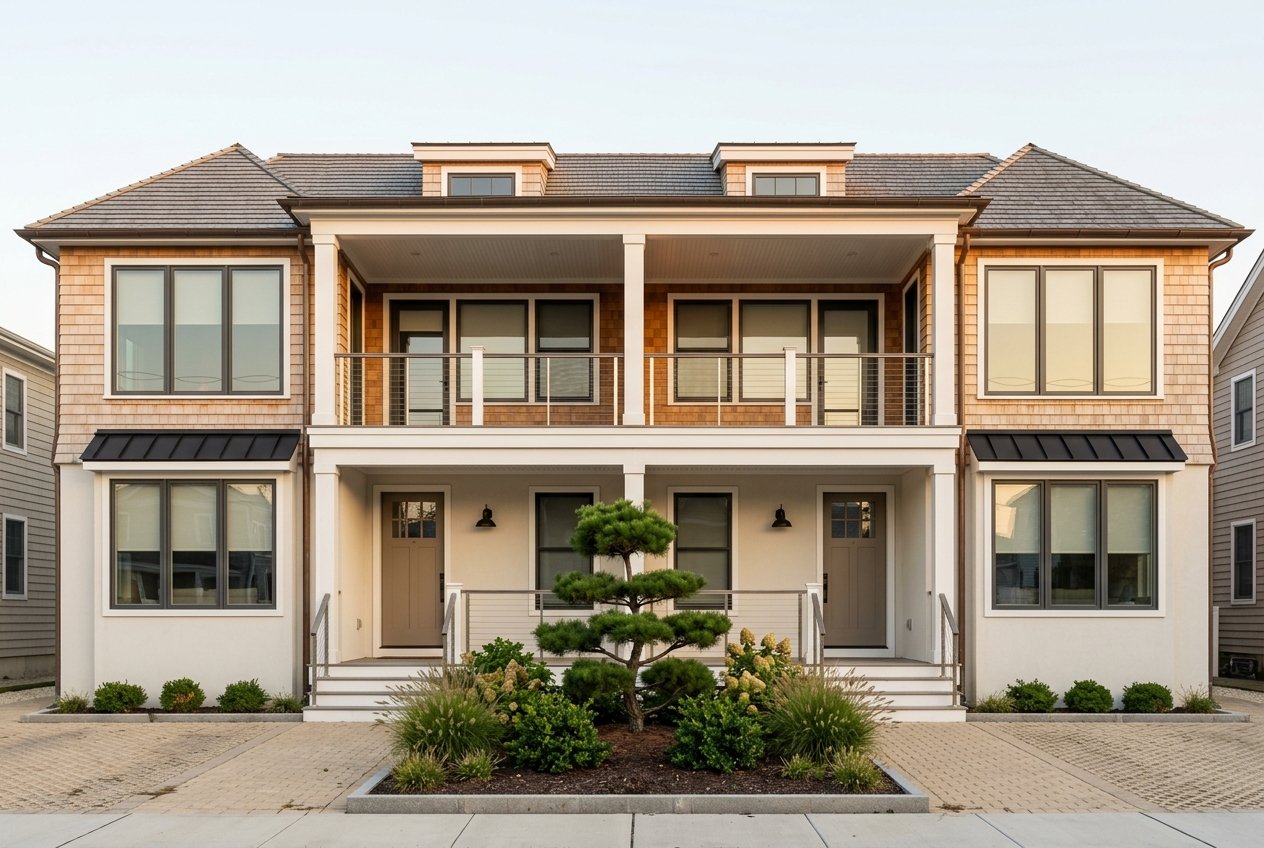
A two-family dwelling in Ocean City is a single structure with two dwelling units. Those units are separated by unpierced walls or floors, and each unit has its own direct access to the outside. This layout can work well if you want space for another household, a rental strategy, or a multigenerational living arrangement.
If you want the most straightforward living pattern, a single-family home usually wins on privacy. Because the structure is detached and meant for one household, you generally have fewer shared-space decisions and less coordination with others. That can make daily life feel simpler and more predictable.
A duplex can still be a strong fit, but it usually brings a different rhythm. Even when the units are separate, the building itself is shared. If your goals include housing a second household or creating income potential, that tradeoff may be worth it.
One of the most important questions with a duplex in Ocean City is how ownership is set up. The city notes that new two-family dwellings are often converted to condominium ownership so each unit can be sold separately. That means you should confirm whether the property is fee simple, condominiumized, or divided in another way.
This matters because ownership structure can affect control over repairs, shared decisions, and the overall buying experience. A duplex may look like one building from the outside, but the legal setup can make it function very differently. Before you move forward, it is worth understanding exactly what you would own and what responsibilities come with it.
With a single-family home, one household is typically responsible for the entire property. That can make maintenance decisions more direct because you are not coordinating with another owner or unit. For many buyers, that simplicity is a major advantage.
Duplex ownership can involve more moving parts. There may be two units, two sets of utility accounts, or even two owners depending on how the property is structured. Repairs, service access, and ongoing costs can require more planning.
Ocean City’s code specifically addresses water service in duplexes. New duplexes must have two water meters, one for each unit, because shared billing can create conflict. The city also notes that separate electric and gas service is customary when those utilities are provided.
In Ocean City, flood exposure is part of every property decision. The city states that all of Ocean City is within a flood plain, and homeowners insurance does not cover flooding. The city also participates in the National Flood Insurance Program as a CRS Class 4 community, which provides a 30% flood insurance discount for most policyholders.
For you as a buyer, that means the real cost comparison between a duplex and a single-family home goes beyond the purchase price. Elevation, flood insurance, and how much of the building is exposed to water-related wear can all affect long-term ownership costs. A property that seems attractive on paper may carry very different expenses once flood factors are considered.
If you are thinking ahead to future renovations, Ocean City zoning deserves close attention. The city allows some flexibility, but what you can do depends heavily on the zoning district. A home’s appearance alone will not tell you what changes are actually possible.
For example, certain districts such as R-O-1 allow only one-family dwellings and essential services. Other districts, including R-O-2 and several two-family districts, allow both one-family and two-family dwellings. So if future adaptability matters to you, the district may be just as important as the floor plan.
Ocean City does have an accessory-apartment program, but it is not available everywhere. The program allows voluntary conversion of existing single-family or two-family dwellings, or accessory buildings, into year-round accessory apartments. However, it is limited to the R-2 and RMF districts, excludes bayfront and oceanfront lots, and must comply with zoning, building code, and parking rules.
That means buyers should be careful not to assume a future apartment conversion is possible just because a property looks like it has extra space. In Ocean City, the legal path matters as much as the physical layout. It is best to verify the district and requirements early.
Renovation potential is also shaped by flood and height rules. Ocean City measures residential building height above Zoning Flood Elevation, and conforming residential uses may have up to 2.5 habitable stories. Those standards can affect additions, reconfigurations, and major updates.
If a property is in the Old City Overlay, there are also specific rules tied to lowest-floor elevation, lot coverage, and parking. These details may not be obvious during a first showing, but they can shape what is realistic later. If you are buying with a vision for changes, it helps to study those constraints before you commit.
A single-family home often makes the most sense if your priorities include:
This type of property can be especially appealing if you want one household under one roof with the clearest sense of control. In Ocean City, that simplicity can be valuable when you are also managing flood costs, zoning limits, and long-term upkeep.
A duplex may be the better match if you are looking for:
That said, a duplex works best when you fully understand the ownership structure, utility setup, and zoning district. In Ocean City, those details can make a big difference in how practical the property really is.
When you compare duplexes and single-family homes in Ocean City, try looking beyond the listing photos and room count. A smart comparison should include:
This is where practical property judgment matters. A home that looks flexible may be tightly limited by zoning, while another property may offer stronger long-term value because its structure, district, and setup align better with your goals.
If you are weighing these options in Ocean City, having a real estate advisor who understands construction, renovation potential, and the local rules can help you make a clearer decision. To talk through your goals and evaluate the right fit, connect with Marialena Recupero.
Stay up to date on the latest real estate trends.
Guiding you through every step of the homebuying journey with honesty, insight, and decades of real-world experience. From first showing to final closing, Lena ensures you feel confident, informed, and supported in every decision you make.
Marialena Rossi, Salesperson
1001 Lafayette St Cape May NJ 08204